
Breadcrumbs
These links will help you get back to where you want to go faster.
Essential Guide to Selecting and Growing Plants That Thrive in San Tan Valley, Arizona
San Tan Valley, located in the lower Sonoran Desert, presents unique environmental challenges for gardeners and landscapers aiming to create sustainable, resilient yards. With its alkaline soils, intense summer heat, and occasional winter frosts, choosing the right plants is critical to developing a thriving, low-maintenance landscape. This comprehensive guide, crafted by a native desert Arizonan, offers expert insights on soil characteristics, water strategies, top plant selections, and practical design tips to help your garden flourish in San Tan’s distinctive conditions.
Understanding San Tan Valley’s Soil and Climate
Soil Composition and Its Impact on Landscaping
San Tan Valley’s soil is predominantly sandy to gravelly with low organic content and alkalinity ranging between pH 7.5 and 8.5. This soil drains rapidly, reducing water retention but increasing the risk of root rot in plants not adapted to these conditions. Furthermore, the presence of caliche—a dense calcium carbonate layer beneath the surface—creates a physical barrier that restricts deep root growth and water infiltration. This underground “concrete” can vary from a few inches to several feet thick, posing significant challenges for conventional plants.
Clay pockets embedded in the soil expand during monsoon rains and contract in dry months, which can damage roots if plants lack adaptive resilience. Together with high salinity levels from irrigation runoff, these soil characteristics require plants with specialized physiology and root structures tailored to thrive.
Are you looking for a reliable and trustworthy local landscaper and hardscaper? Let us bring your front and backyard to life! Call or text us at (480) 522-9675, or schedule a free online consultation for BBQ & Chimenea, Fire Pit, Putting Green, Sod, Turf, Block Wall, Outdoor Concrete Patio, Travertine Flooring, Paver, or Pergola & Gazebo installation.
Climate Demands: Heat, Cold, and Water Stress
The Sonoran Desert climate subjects plants to intense summer heat often exceeding 100°F and occasional winter frosts that necessitate hardy selections. Native desert species possess biological adaptations such as succulent tissues, reflective or hairy leaves, and deep or fibrous root systems that help them withstand these extremes.
Water conservation is paramount in San Tan gardening due to scarce rainfall and high evapotranspiration rates. An effective irrigation approach utilizes the “establish deep, infrequent” watering method, encouraging roots to grow deeper and thus improving drought resistance over time. Incorporating drip irrigation with pressure regulators and zoning by water needs further optimizes efficiency.
Key Requirements for Successful San Tan Valley Planting
Soil Drainage and Amendments
Because San Tan soils drain quickly, selecting drought-tolerant and succulent plants is essential to prevent waterlogging and root diseases. When soil amendments are necessary, the focus should be on enhancing drainage—such as adding gravelly mixes—to avoid creating moisture-retaining pockets that worsen alkaline soil problems.
pH and Nutrient Management
High soil alkalinity limits the availability of nutrients like iron, making it critical to choose plants tolerant to alkaline conditions to prevent issues such as iron chlorosis. Avoid heavy applications of compost or organic matter that may increase soil salinity and humidity, deteriorating plant health in the long term.
Preserving Soil Biology
Encouraging beneficial mycorrhizal fungal associations supports nutrient uptake in many desert-adapted shrubs and trees. Avoiding excessive soil sterilization preserves this natural advantage, facilitating healthier, more resilient plant growth.
Top Plant Selections Adapted to San Tan Valley Conditions
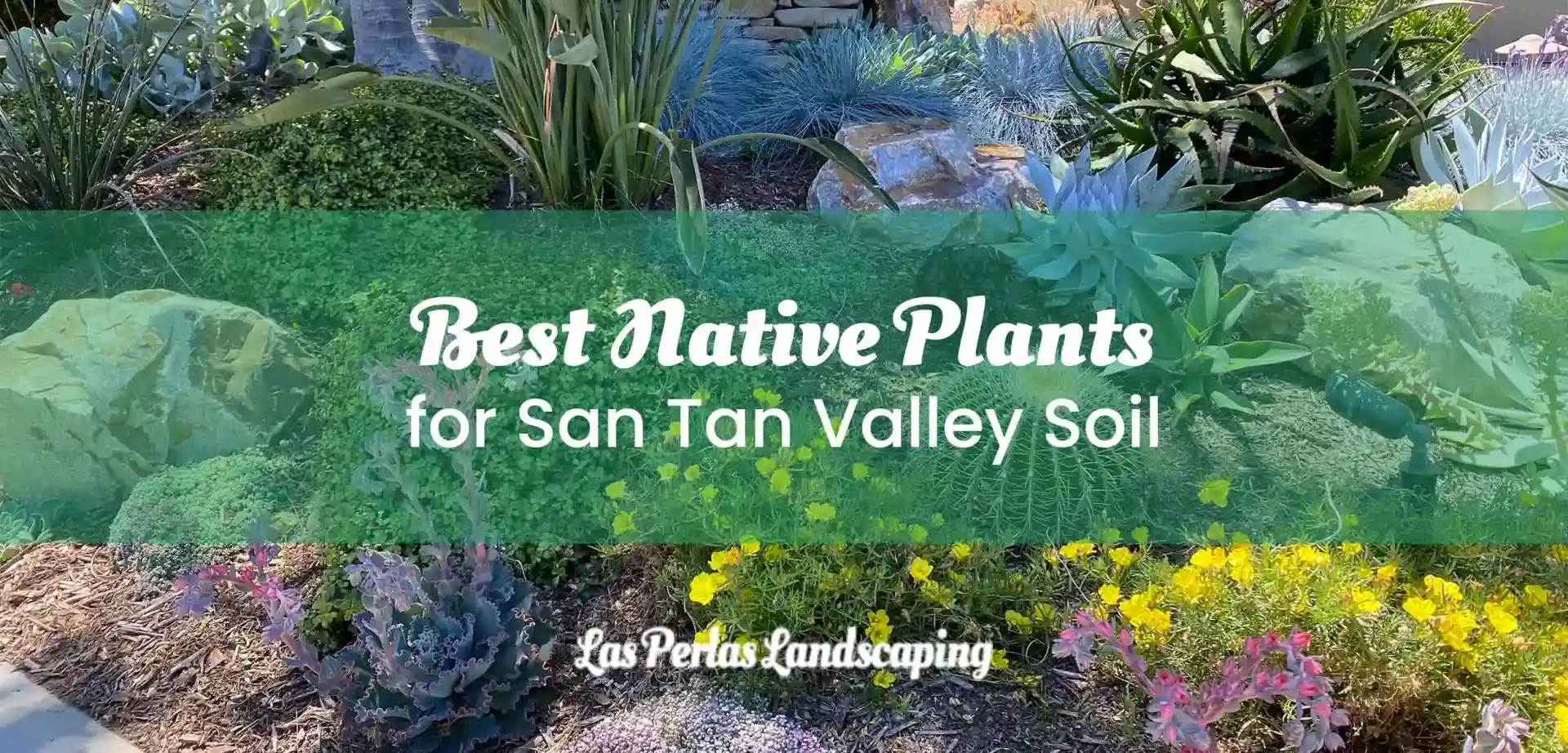
Choosing native and desert-adapted plants is the foundation of sustainable xeriscaping in San Tan Valley. Such species have evolved to penetrate caliche layers, tolerate alkaline and saline soils, and resist soil movement caused by clay expansion.
| Plant (Common / Botanical) | Water Use | Soil Tolerance | Mature Size | Best Use | Estimated 1st Year Cost (Plant + Basic Install) |
|---|---|---|---|---|---|
| Palo Verde (Parkinsonia spp.) | Low | Sandy/gravelly, alkaline | 20–30′ tree | Shade, nitrogen-fixing street/tree lawn | $150–400 |
| Texas Sage / Texas Ranger (Leucophyllum spp.) | Very low | Poor, alkaline, rocky | 4–8′ shrub | Hedges, color, low maintenance | $40–120 |
| Desert Willow (Chilopsis linearis) | Low to moderate | Well-drained | 15–25′ tree | Shade, patio tree, pollinator magnet | $100–350 |
| Red Yucca (Hesperaloe parviflora) | Very low | Gravelly, poor | 2–4′ clump | Accents, low-litter near patios | $30–80 |
| Agave / Century Plant (Agave spp.) | Very low | Very well-drained | 1–6′ rosettes | Focal accents, containers | $25–150 |
| Globe Mallow (Sphaeralcea ambigua) | Very low | Sandy, alkaline | 2–4′ shrub | Massing, erosion control, pollinators | $20–60 |
(Costs are local estimates for 2026 San Tan/Queen Creek area; larger specimen trees command higher prices. Labor, irrigation hookups, and additional landscaping features are extra.)
Are you looking for a reliable and trustworthy local landscaper and hardscaper? Let us bring your front and backyard to life! Call or text us at (480) 522-9675, or schedule a free online consultation for BBQ & Chimenea, Fire Pit, Putting Green, Sod, Turf, Block Wall, Outdoor Concrete Patio, Travertine Flooring, Paver, or Pergola & Gazebo installation.
Financial and Environmental Benefits of Native Desert Landscaping
Substantial Water Savings
Replacing traditional turf with native, drought-adapted plants reduces outdoor water consumption by 50% to 80% in San Tan Valley landscapes. For an average 0.2-acre yard, this translates into hundreds of dollars saved annually on water bills, especially critical in arid regions facing water scarcity.
Lower Maintenance Costs
Native xeriscape gardens cut labor and maintenance costs by 40% to 70%. Reduced mowing, pruning, and debris removal needs relieve ongoing expenses compared to conventional turf grass and high-water-use plants.
Attractive Return on Investment (ROI)
Although initial installation and retrofitting present upfront costs, payback periods typically range from three to eight years. In areas with higher water prices or rebate programs, savings accumulate faster. Mature shade trees like palo verde can also increase property value by up to 10-12%, enhance curb appeal, and potentially reduce the time a home remains on market.
Design and Planting Best Practices for San Tan Gardens
Water-Zoning & Plant Grouping
Grouping plants with similar water requirements into distinct irrigation zones optimizes water use efficiency. This avoids overwatering drought-tolerant species while ensuring higher-need plants receive adequate moisture.
Optimal Planting Timing
Fall or winter planting allows roots to establish before San Tan’s extreme summer heat arrives. This seasonal strategy reduces stress on young plants and enhances survival rates.
Mulching for Moisture Retention
Apply 2–3 inches of coarse organic mulch such as shredded bark or wood chips around plants, keeping mulch away from trunks. This conserves soil moisture and moderates temperature without increasing salinity, a risk with thick compost layers.
Irrigation Schedule
Begin with 6–8 weeks of consistent deep watering to encourage root development; gradually extend watering intervals over time. During established growth, shift to less frequent deep pulses every 2 to 6 weeks, adjusting for plant species and seasonal evapotranspiration rates.
Soil Preparation
Minimal soil disturbance is ideal, especially for container-grown plants, requiring light backfill and clear drainage pathways. Over-amending risks disrupting natural soil conditions and beneficial microbiota.
Managing Soil Salinity
Because reclaimed or well water can increase soil salt levels, monitoring is essential. Choosing salt-tolerant species such as palo verde and agave minimizes risk, and occasional flushing with fresh water can help control salt buildup.
Common Risks and How to Mitigate Them
Preventing Overwatering and Root Rot
Excess water combined with poor drainage is the leading cause of landscape failure in San Tan Valley. Careful irrigation scheduling and ensuring good drainage mitigate root rot risks dramatically.
Monitoring Pests and Disease
Native desert plants generally resist pests and diseases but remain vulnerable to infestations like scale insects or damage from frost events. Regular inspection and pruning of affected branches maintain overall plant health.
Balancing Initial Costs and Long-Term Benefits
Larger specimen trees require higher upfront investment but establish shade and enhance property value more rapidly. Combining plant sizes offers flexibility and ensures both budget control and attractive landscaping appeal.
Sample Low-Budget San Tan Landscaping Plan
This example plan for an approximately 1/8-acre front yard, costing around $2,500, balances affordability with long-term sustainability. It includes:
- 3 small palo verde or mesquite trees (15–20 gallon) – $450
- 8 mixed Texas sages, red yucca, and globe mallow shrubs – $400
- 6 agaves and accent succulents – $300
- Drip irrigation retrofit and controller installation – $900
- 2 yards of arborist mulch and labor – $450
The result is a visually appealing, water-wise desert landscape tailored to alkaline San Tan soils, reducing water consumption by 50–70% and with an anticipated payback period between 4 and 7 years.
Partnering with Local Experts
Las Perlas Landscaping specializes in designing native, drought-adapted landscapes optimized for San Tan Valley’s soil and climate challenges. By integrating plants such as palo verde, Texas sage, desert willow, red yucca, and agave with smart drip irrigation systems adapted to local salinity levels, homeowners and businesses can achieve sustainable, attractive gardens that conserve water and increase property value.
Embracing Native Desert Landscaping for a Thriving San Tan Garden
Thriving desert landscaping in San Tan Valley demands a thorough understanding of local soil characteristics, climate stressors, and the biological strengths of native plants. By selecting species specially adapted to alkaline, fast-draining soils and following best practices for watering, mulching, and planting timing, gardeners can create stunning, resilient landscapes that conserve precious water resources and thrive with minimal maintenance.
Investing in native xeriscape design not only yields long-term financial savings but also enhances property appeal and supports the natural beauty of Arizona’s Sonoran Desert. With expert planning and care, your San Tan Valley garden can become a sustainable oasis in one of the Southwest’s most unforgiving environments.
Are you looking for a reliable and trustworthy local landscaper and hardscaper? Let us bring your front and backyard to life! Call or text us at (480) 522-9675, or schedule a free online consultation for BBQ & Chimenea, Fire Pit, Putting Green, Sod, Turf, Block Wall, Outdoor Concrete Patio, Travertine Flooring, Paver, or Pergola & Gazebo installation.